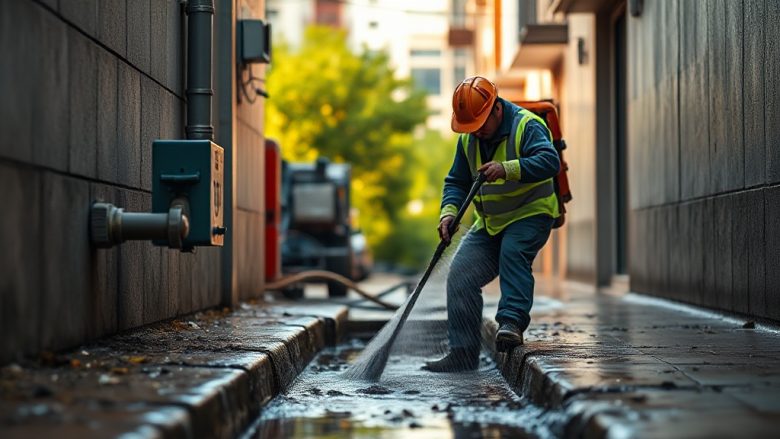
Blocked Drain in Largo 13 de Maio? How to Fix It Right the First Time
Your sink is backing up, the floor drain in the laundry area is gurgling, and there is a smell you cannot quite place. You have already tried a plunger, maybe a bottle of drain cleaner from the corner shop, and nothing worked. If this is happening in Largo 13 de Maio, in the south zone of São Paulo, you are likely dealing with an older building, a shared sewage line, or a clog that sits far deeper than a plunger can reach. The fastest way out is to call a professional desentupidora Largo 13 de Maio São Paulo SP before the water rises any further.
This page is written as a moderator’s answer to the questions that keep coming back in local groups and building WhatsApp chats. Instead of another general overview, you get the exact mistakes people make in the first hour, the correction for each one, and a short summary you can act on today.
Mistake 1: Pouring Chemical Drain Cleaner as a First Move
The most common first reaction is to empty a bottle of caustic soda or a supermarket drain opener down the drain. It feels productive because it fizzes and bubbles. In practice, it rarely clears a real blockage in a building in Largo 13 de Maio, and it creates two new problems.
First, chemical cleaners sit in the pipe and can damage older PVC joints, rubber seals, and the cast-iron sections still found in some buildings around the Largo 13 de Maio area. Second, if a technician later needs to open the pipe, the leftover chemical is a hazard for them and for you.
What to do instead
Remove standing water with a bucket or a wet vacuum if you have one, then stop. A plunger is acceptable for a single sink or toilet, but only if you seal the overflow hole and use short, firm strokes. If two or more fixtures are slow at the same time, the clog is in the main line, and no amount of plunging will fix it.
Stop using chemicals the moment you see water rising in another fixture. That is the signal that the blockage is shared and needs proper equipment.
Mistake 2: Waiting for the Problem to Drain on Its Own
Many residents in Largo 13 de Maio describe the same pattern: the drain is slow on Monday, fine on Tuesday, then floods the kitchen floor on Friday night. Slow drainage is not a warning that resolves itself. It is the early stage of a partial clog, and it always gets worse because grease, soap, hair, and paper keep accumulating on the same narrowing point.
Waiting also turns a small job into an emergency. When a ground-floor apartment or a shop near Largo 13 de Maio backs up after closing hours, the cost is not just the unclogging. It is the damaged stock, the soaked drywall, the neighbor’s ceiling, and the cleanup.
The correction: book a preventive visit
If your drain has been slow for more than two days, treat it as a scheduled job, not a future emergency. A technician can inspect the line, confirm whether the obstruction is in your unit or in the building’s shared branch, and clear it before it becomes a weekend flood.
For buildings with recurring backups, a maintenance plan is cheaper than repeated emergency calls. The same logic applies to restaurants and salons around the Largo 13 de Maio commercial strip, where grease and hair build up faster than in a home.
Mistake 3: Hiring the First Van That Answers Without Checking the Line
When water is rising, any phone number looks like the right one. But a technician who arrives without a camera or a proper machine will often drill a small hole through the clog and leave the rest in place. The drain works for two weeks, then blocks again in the same spot.
Ask two questions before you book anyone: do they carry a inspection camera for the main line, and do they use a mechanical auger or hydro-jetting rather than just a hand snake? For a residential building in Largo 13 de Maio, a camera inspection takes minutes and tells you whether the problem is grease, roots, a collapsed section, or a foreign object.
What a proper service looks like
- Identification of the affected branch and the access point (cleanout, inspection box, or roof vent).
- Mechanical clearing with an auger for soft blockages, or high-pressure hydro-jetting for grease and scale.
- Camera confirmation that the line is open and that no root intrusion or broken pipe remains.
- A short written note of what was found, so the building manager can plan preventive work.
This is the standard you should expect from a desentupidora Largo 13 de Maio that works regularly in the neighborhood’s older residential buildings and mixed-use streets.
Mistake 4: Ignoring the Shared Line and Blaming the Neighbor
In the streets around Largo 13 de Maio, many buildings share a single sewage branch before it reaches the public network. When the ground-floor unit floods, the instinct is to blame the upstairs neighbor. Sometimes that is correct, but often the real blockage is in the shared horizontal run under the slab or in the sidewalk box.
Clearing only your own unit’s trap will not help if the shared line is the problem. The correction is to involve the building manager early, document the backup with photos and a time log, and have the shared line inspected. This protects you if the condominium later needs to split a repair cost.
Signs the shared line is the culprit
- Multiple units slow or backing up at the same time.
- Gurgling sounds from drains in different apartments when one fixture is used.
- Bad odors rising from the inspection box or the sidewalk cleanout.
- Recurring backups after heavy rain, which can indicate a partially collapsed or root-blocked line.
Document everything before the first technician arrives. A dated photo of the water level and a list of affected units is the strongest evidence a building manager can use.
Mistake 5: Skipping the Septic Tank and Grease Trap Checks
Not every property in Largo 13 de Maio is connected to the municipal sewer. Some older houses, small commercial kitchens, and backyard units still rely on a septic tank or a grease trap. When those are full, the symptoms look exactly like a blocked drain: slow sinks, odors, and backups at the lowest fixture.
If a technician clears the pipe but the tank is full, the problem returns within days. The correction is to include tank and trap inspection in the same visit. A septic tank that has not been pumped in years, or a grease trap that has never been opened, is a predictable source of repeat calls.
What to check before the visit
- Locate the septic tank lid or grease trap access, even if it is buried under a paver.
- Note when it was last pumped or cleaned, if you know.
- Tell the technician about any recent heavy rain, construction, or new appliance installation.
- Keep pets and children away from open access points during the service.
For a commercial kitchen, a scheduled grease trap cleaning is not optional. It is the difference between a normal service day and a closed kitchen on a Saturday.
Mistake 6: Not Knowing Who to Call After Hours
Blockages do not respect business hours. A backup at 11 pm in an apartment near Largo 13 de Maio is a genuine emergency, especially if the water is reaching electrical outlets or a neighbor’s ceiling. The mistake is to wait until morning because you assume no one answers.
Emergency plumbing services in São Paulo operate around the clock, and a reputable company will confirm a time window and a price range before dispatch. When you call, have the address, the type of property, and the affected fixtures ready. That information lets the dispatcher send the right equipment on the first trip.
If you are a building manager, keep a printed contact list in the utility room. The desentupidora em Largo 13 de Maio São Paulo SP that handles your preventive maintenance should also be your first call for after-hours emergencies, so the technician already knows the building’s layout.
Quick Summary: What to Do From the First Drop to a Working Drain
Here is the short version for anyone who needs to act now.
- Stop using chemical cleaners and remove standing water safely.
- Check whether more than one fixture is affected. If yes, the shared line is involved.
- Call a professional service and ask about camera inspection and mechanical or hydro-jetting equipment.
- Document the backup with photos and inform the building manager if you live in a condominium.
- Ask the technician to check the septic tank or grease trap if your property has one.
- Book a preventive follow-up if the blockage has happened before in the same spot.
A drain that has blocked twice is telling you something about the pipe, not about your habits. Listen to it before the third backup.
Frequently Asked Questions
How quickly can a desentupidora reach Largo 13 de Maio?
Response times depend on traffic and the time of day, but emergency services in São Paulo typically confirm a window when you call. For a backup that is actively flooding, say so clearly so the dispatcher prioritizes the job.
Can I use a plunger before the technician arrives?
Yes, for a single slow sink or toilet, a plunger with short firm strokes is safe. Do not plunge if water is rising in another fixture, and never mix plunging with chemical cleaners.
Does hydro-jetting damage old pipes?
When the pressure is adjusted to the pipe material and condition, hydro-jetting is safe and is the preferred method for grease and scale. A camera inspection before jetting confirms whether the line is strong enough.
Who pays when the blockage is in the shared building line?
That depends on the condominium rules and where the blockage sits. Document the event, involve the manager, and keep the technician’s written report. It is the practical evidence used to decide responsibility.
How often should a grease trap be cleaned?
For a busy commercial kitchen, monthly or biweekly cleaning is common. For a small home trap, inspect it every few months and clean when the layer of grease becomes visible.